From the neon-lit ice sculptures of the Northeast to the “Powder Snow Paradise” in the Far West, China offers some of the world’s most breathtaking winter experiences. If you are chasing the chill, here is your essential guide to the six must-visit ice and snow destinations.
1. Harbin – Home of the World-Famous Ice and Snow Festival
Harbin is the crown jewel of China’s winter tourism, famous for hosting the world’s largest ice and snow theme park.
-
Ice & Snow Highlight: Wander through a literal city made of colossal, glowing ice crystals and watch the sunset over the frozen Songhua River.
-
Best Time to Visit: Early January to February (The festival officially opens around Jan 5th, though soft openings start in late Dec).
-
Must-See Sites: Ice and Snow World, Saint Sophia Cathedral, Central Street.
-
Recommended Stay: 3 Days.
-
How to Get There: Fly into Harbin Taiping International Airport (HRB) or take a high-speed train from Beijing (approx. 5 hours).
Master the City of Ice:” From the history of its Russian architecture to the best time to avoid the crowds at the Ice World, our comprehensive Harbin Travel Guide covers everything you need for a seamless winter visit.
2. Mohe – Chasing the “Arctic” Vibe in China’s Northernmost Village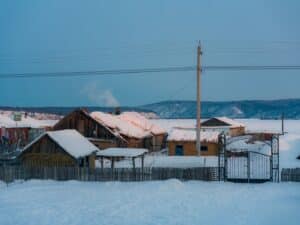
As the northernmost point in China, Mohe offers a “Polar” experience where you can witness the viral “water-to-ice” (splashing boiling water into the air) magic.
-
Ice & Snow Highlight: Experience extreme cold (reaching -40°C), visit the “North Pole” of China, and stay in rustic guesthouses with heated “Kang” beds.
-
Best Time to Visit: November to mid-February.
-
Must-See Sites: Arctic Village (北极村), Beihong Village (more authentic), Silver Birch Forest.
-
Recommended Stay: 2–3 Days.
-
How to Get There: Fly to Mohe Gulian Airport (OHE) via Harbin, or take the iconic “Snow Train” (K-series) from Harbin for a slow-travel journey.
The Arctic Survival Manual:” Mohe is as challenging as it is beautiful. We’ve detailed the essential gear, heating tips, and local transport logistics in our Mohe Essential Guide to ensure you stay warm and safe
3. Hulunbuir – Cultural Immersion in the Frozen Steppe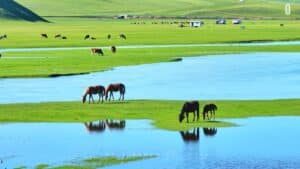
In winter, the vast grasslands transform into a boundless white desert, where nomadic traditions meet the deep frost.
-
Ice & Snow Highlight: Attend the Winter Naadam Festival (dates vary, usually Dec) to see horse racing and archery on the snow-covered plains.
-
Best Time to Visit: December to February.
-
Must-See Sites: Hailar Ice & Snow World, Morigele River (frozen bends), Aoluguya Reindeer Village.
-
Recommended Stay: 3–4 Days.
-
How to Get There: Fly to Hailar Dongshan Airport (HLD).
The Winter Frontier: Understanding the nomadic lifestyle in sub-zero temps requires local insight. Dive into our Hulunbuir Cultural & Travel Guide to learn about winter festivals, yurt stays, and crossing the snowy grasslands.
4. Changbai Mountain – Luxury Skiing and Volcanic Hot Springs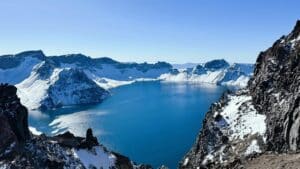
Changbai Mountain offers a “premium” winter vibe with world-class ski resorts and a mystical crater lake atop a dormant volcano.
-
Ice & Snow Highlight: Attempt to see the “Heavenly Lake” (Tianchi)—though visible only on clear days—and soak in an outdoor thermal pool as snow falls around you.
-
Best Time to Visit: November to March (Best snow quality in Feb).
-
Must-See Sites: Heavenly Lake (North or West Slope), Changbai Waterfall, Wanda or Club Med Ski Resorts.
-
Recommended Stay: 3 Days.
-
How to Get There: Fly directly to Changbaishan Airport (NBS) or take a high-speed train to Changbaishan Station (Erdaobaihe).
The Peaks & Hot Springs Bible: Which resort area fits your style? Our Changbai Mountain Comparison Guide breaks down the ski facilities, hot spring etiquette, and how to successfully spot the Heaven Lake in winter.
5. Altay – The “Cradle of Skiing” with Deep Powder Snow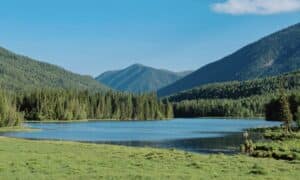
Known as the “Original Skiing Origin of Mankind,” Altay boasts the finest powder snow in Asia, rivaling the Alps and Hokkaido.
-
Ice & Snow Highlight: Skiing through the Hemu Village “cloud sea” and staying in traditional Tuva log cabins buried under meters of snow.
-
Best Time to Visit: November to April (Extremely long season).
-
Must-See Sites: Hemu Village, Kanas Lake (Blue Ice in Jan), Jiangjunshan Ski Resort (Sunset skiing).
-
Recommended Stay: 4–5 Days.
-
How to Get There: Fly to Altay Airport (AAT) or Kanas Airport (winter flights are limited; usually via Urumqi).
Origin of Skiing: Altay offers a world-class powder experience unlike anywhere else. We’ve compiled a Complete Altay Ski & Heritage Guide covering everything from ancient fur skis to the best backcountry spots.
6. Kangding & Beyond – Majestic Glaciers and Sacred Snow Peaks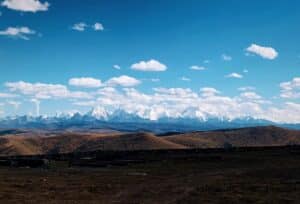
As the gateway to the Kham Tibetan region, Kangding is the starting point to explore high-altitude glaciers and sacred mountains.
-
Ice & Snow Highlight: Marvel at Minya Konka (Mount Gongga) and walk onto the low-altitude modern glaciers of Hailuogou.
-
Best Time to Visit: December to March (Dry season ensures the best mountain visibility).
-
Must-See Sites: Hailuogou Glacier Park, Tagong Grassland (Muya Golden Tower), Zheduo Mountain Pass.
-
Recommended Stay: 3–4 Days.
-
How to Get There: Drive from Chengdu (approx. 3.5–4 hours) or fly to Kangding Airport (KGT).
Gateway to the Kham Tibetan Region: High-altitude travel in winter requires preparation. Our Kangding Visitor’s Guide provides crucial tips on altitude sickness, monastic culture, and finding the best viewpoints for Mt. Gongga.
🎉 Loved This Article? Don't Miss the Next One!
Subscribe to our newsletter and get exclusive content and the latest updates delivered straight to your inbox.