From the numbing spice of the Sichuan basin to the ingredient-worship of the Southern coast, China is not a single destination, but a vast collection of regional “flavor worlds.” This guide bypasses the typical tourist kitsch to bring you the authentic culinary delights of five cities where food is a way of life.
1. Chengdu – The Art of “Slow Living” and Sichuan Spice

While famous for its heat, Chengdu’s culinary soul lies in its “Fly Restaurants” (Cangying Guan)—unpretentious eateries hidden in old neighborhoods where the flavor is anything but small.
-
Culinary Highlight: Experience the “Ma-La” (numbing spice) sensation, a complex balance of Sichuan peppercorns and chilies that defines the region’s world-famous palate.
-
Best Time to Visit: March to June or September to November (mild weather for outdoor hotpot).
-
Must-Visit Spots: Wangping Street (riverside dining), Yulin Neighborhood (authentic local life), bypassing the commercialized Jinli.
-
Recommended Stay: 3 Days.
-
How to Get There: Fly into Chengdu Tianfu (TFU). Pro Tip: Use Metro Line 18 for an express link to the city center.
-
The Taste of Sichuan: From the local obsession with Rabbit Head to the perfect Mapo Tofu, our Chengdu Foodie Guide covers the “Fly Restaurants” you won’t find on standard tourist maps.
2. Shunde – The Mecca of Cantonese Purity
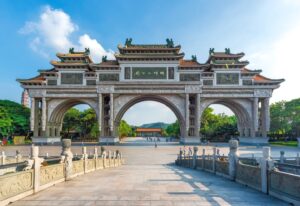
Located in the heart of the Pearl River Delta, Shunde is where Cantonese food reaches its zenith. It’s not about heavy sauces; it’s about “Xian” (umami) and the absolute integrity of the ingredients.
-
Culinary Highlight: Taste the “Soul of Cantonese Cooking” through techniques that preserve the natural sweetness of freshwater fish and poultry.
-
Best Time to Visit: Year-round (Late autumn is prime for seasonal delicacies).
-
Must-Visit Spots: Daliang Old Town (for traditional desserts), Beijiao or Lunjiao (for hidden private kitchens).
-
Recommended Stay: 2 Days (Perfect as a side trip from Guangzhou or Hong Kong).
-
How to Get There: High-speed train to Shunde Station or a 20-minute taxi from Guangzhou South Station.
-
The Umami Bible: Shunde is the “Chef’s Capital.” Our Shunde Ingredient Guide breaks down the etiquette of the Raw Fish Salad (Yusheng) and where to find the creamiest Double-Skin Milk.
3. Changsha – The Bold, Smokey Heat of the South
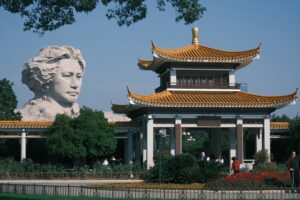
Changsha’s food is “Xiang-La”—fragrant, smokey, and intensely spicy. The city transforms into a neon-lit outdoor kitchen at night where street food is elevated to a cult-like status.
-
Culinary Highlight: Brave the “Stink and Spice” combo—the city’s famous black Stinky Tofu and thunderingly spicy crawfish that draw crowds until the early hours.
-
Best Time to Visit: Spring or Autumn (Avoid the “Furnace” heat of mid-summer).
-
Must-Visit Spots: Sajiawan or South Gate (Nanmenkou) for authentic street vibes, skipping the main Pedestrian Street.
-
Recommended Stay: 2 Days.
-
How to Get There: High-speed rail is king here; Changsha South connects all major Chinese hubs.
-
The Spice Capital’s Favorites: Ready for real heat? Our Changsha Night Market Guide details the best stalls for “Lajiao Chaorou” and how to cool your palate like a local.
4. Shantou – The Holy Grail of Ingredient Worship

Teochew (Shantou) cuisine is often cited by world-class chefs as the “Peak of Chinese Cooking.” It is hyper-focused on the freshness of the catch and the surgical precision of the knife.
-
Culinary Highlight: Indulge in “Lion-head” Goose Liver—the Foie Gras of the East—and raw marinated seafood that tastes like the essence of the ocean.
-
Best Time to Visit: October to March (Best season for seafood and Marinated Crab).
-
Must-Visit Spots: Longyan Road (night snacking), Old Town/Xiao Gongyuan (traditional rice cakes/Kueh).
-
Recommended Stay: 3 Days.
-
How to Get There: Take the high-speed train directly to Shantou Station (City Center) rather than the distant Chaoshan Station.
-
The Teochew Obsession: Here, food is a religion. Our Shantou Gourmet Guide explains the art of the hand-beaten beef ball and the delicate ritual of Teochew Kung Fu Tea.
5. Xi’an – A Thousand Years of Silk Road Flavors
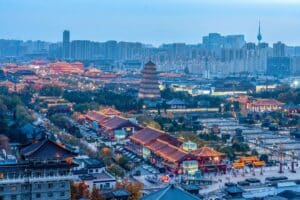
Xi’an offers a rugged, hearty contrast to the south. It is the world’s capital of “heavy carbs,” reflecting a fascinating fusion of Han Chinese and Islamic influences.
-
Culinary Highlight: Dive into a “Flour-Based Feast” of hand-ripped Biangbiang noodles and cumin-heavy lamb burgers (Roujiamo) that have fueled the Silk Road for centuries.
-
Best Time to Visit: May, September, or October.
-
Must-Visit Spots: Sajingqiao (the locals’ alternative to the Muslim Quarter), Daxuexi Alley.
-
Recommended Stay: 3 Days.
-
How to Get There: Fly to Xi’an Xianyang (XIY). Use the airport bus or a pre-booked car as the airport is quite far from the city.
-
The Northwest Feast: From breaking your own bread for Lamb Paomo to the best vinegar-rich Cold Noodles, our Xi’an Flavor Guide navigates the ancient alleys of the Silk Road kitchen.
🎉 Loved This Article? Don't Miss the Next One!
Subscribe to our newsletter and get exclusive content and the latest updates delivered straight to your inbox.