1.Say Goodbye to “Check-in” and Embark on an In-depth Cultural Journey in Beijing
1.1 From the Forbidden City to the Hutongs: A Three-Dimensional Interpretation of Historical Sites
To truly unlock Beijing’s history, you must go beyond the basic sightseeing rush. For essential sites like the Forbidden City and the Temple of Heaven, advance booking is non-negotiable. Aim to secure your tickets exactly seven days ahead via official channels to guarantee entry. Our strategic advice: dedicate a full morning to the Forbidden City and invest in a professional, in-depth guide. Whether it’s the official audio guide, a themed small-group experience, or a private expert, this is how you move past the architecture and grasp the deeper historical narratives of imperial power, dynastic shifts, and the underlying Five Elements philosophy. For the Temple of Heaven, visit early to experience the locals’ morning rituals and avoid peak crowds. Focus your attention on understanding the grand “round heaven and square earth” cosmology and the precise acoustic engineering of the altar complex.
Beijing’s heart beats loudest not in its grand palaces, but in the Hutongs—the ancient alleyways that preserve local life. While Nanluoguxiang is famous, it primarily serves as a commercial spectacle. For an authentic blend of past and present, head instead to the area around Yonghegong (Lama Temple) and Wudaoying Hutong. Yonghegong Street retains the relaxed, everyday rhythm of Old Beijing, where residents still gather to chat under the trees. Juxtaposed against this is Wudaoying, a magnetic hub for young creatives, boasting stylish designer boutiques, independent coffee shops, and unique dining spots. Strolling here allows you to witness the fascinating transition of the traditional Siheyuan (courtyard home) into vibrant, modern living spaces, fully embodying the city’s ability to remain both “ancient and fiercely trendy.”
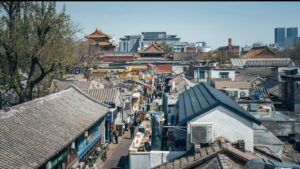
If the Forbidden City symbolizes absolute power, the Princely Mansions and private gardens reveal the refined lifestyle and private worlds of the aristocracy. Prince Gong’s Mansion is essential viewing; as the former home of the powerful minister Heshen, it acts as a perfect window into the political maneuvering and aesthetic sensibilities of the Qing nobility. When visiting, pay close attention to the blended Chinese and Western architecture, the cultural significance of the massive ‘Fu’ (Fortune) Stele, and the clever ‘borrowed scenery’ techniques used in the garden. Finally, the Summer Palace (Yíhéyuán) is a masterpiece of landscape design, embodying the classical Chinese philosophy that “the benevolent find joy in mountains, the wise find joy in water.” Its design, encompassing Kunming Lake and Longevity Hill, is inseparable from the final political chapter of Empress Dowager Cixi’s reign, making it a critical stop for deeper historical context.
1.2 Experiential Travel of Intangible Cultural Heritage
The most profound way to connect with a city’s soul is not by looking, but by doing. For Western visitors, China’s Intangible Cultural Heritage (ICH) offers a direct, hands-on link to millennia-old traditions. Deep inside Beijing’s Hutongs, you’ll find hidden studios run by dedicated ICH masters, ready to offer truly immersive workshops. Here, you ca
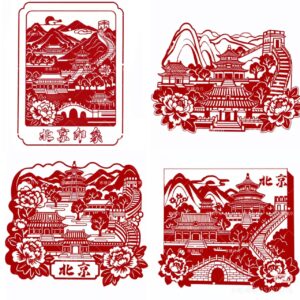
n roll up your sleeves and try: mastering the intricate compositions of Old Beijing Paper Cutting, feeling the fluid clay changes during traditional Dough Art (Mian Su), or painting a vibrant, symbolic Peking Opera Mask of your own design. These are more than just craft classes; they are powerful cultural exchanges. Through direct interaction with the artisans, you unlock the historical meanings and auspicious symbols behind every color and pattern, transforming a two-dimensional heritage into a vivid, lasting travel memory.
Food offers the most accessible route into a culture’s ICH. Beijing’s diverse culinary lineage perfectly maps its history, from the pinnacle of imperial power to the ingenuity of common life. We highly recommend a dedicated culinary heritage tour that explores both ends of this spectrum: Start with Imperial Cuisine, which required the highest mastery of ingredients, refined techniques, and elaborate dining rituals—a reflection of the dynasty’s ultimate power. Then, delve into the world of Folk Snacks like DouZhi (fermented mung bean juice) and luzhu huoshao (braised offal). These dishes are brilliant examples of resourcefulness and unique regional innovation developed by common Beijingers during times of scarcity. By joining a guided food walk or a hands-on snack-making workshop, you not only taste authentic, robust flavors but also learn about the ingredients’ journey, the recipe’s history, and the food’s enduring connection to the Beijing community—a cultural trip that truly moves from the palate to the soul.
2.Emerging Hotspots and Modern Urban Charm: Unlocking Beijing’s New Landmarks
2.1 Beijing’s Sub-Center: A Look Ahead to a World-Class Cultural Tourism Resort
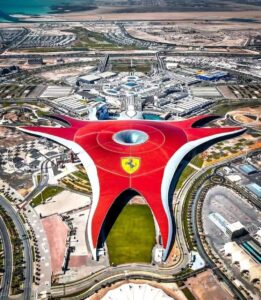
The Beijing City Sub-Center (Tongzhou) is rapidly transforming into one of China’s most dynamic and promising world-class tourism destinations. Its core engine is undoubtedly the Universal Beijing Resort (UBR).
Beyond the seven permanent themed lands, its continuous appeal lies in the latest projects and seasonal limited events. For instance, holiday-specific events like “Winter Holiday” and “Halloween Horror Nights” not only extend visitor stay but also provide ample reasons for repeat visits and secondary spending. Looking ahead, the comprehensive upgrade of the sub-center
‘s surrounding facilities will become a new focal point. New projects such as the Wanli Commercial District, Apex Park, and the planned Haichang Ocean Park will collectively create a resort cluster integrating leisure, shopping, ecology, and entertainment. Of particular interest is the introduction of emerging, high-profile experiences, such as the planned Ferrari World Entertainment Complex (Asia’s first). The landing of such international top-tier IPs signals that the sub-center is upgrading from a single tourism project to a globally competitive, all-age, high-end travel destination.
2.2 The Intersection of Art and Technology: Creative Spaces Beyond 798
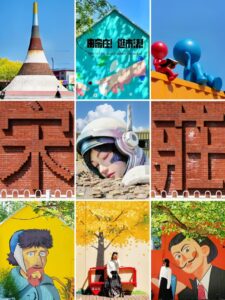
Beijing’s contemporary art scene extends far beyond the famed 798 Art District; genuine innovation and experimentation are quietly flourishing in broader corners of the city. For travelers seeking a niche and in-depth cultural experience, we recommend exploring a new generation of art hubs. Songzhuang Art Zone, for instance, is a vast community located in the east, gathering a large number of avant-garde artists and independent studios. Its atmosphere is notably more free and experimental, offering opportunities to visit lesser-known galleries and seasonal exhibitions. Furthermore, Caochangdi Art Zone, with its unique architectural aesthetic and professional gallery clusters, is an ideal place for art connoisseurs to discover cutting-edge contemporary works. A more future-forward intersection of art and culture lies in the blending of technology and urban renewal: former industrial ruins are being reborn. Take Shougang Park as a prime example—this former steel giant has been successfully transformed into a complex integrating sports, technology, and culture. Its magnificent industrial structures are preserved and now serve as venues for Winter Olympics themed experiences, extreme sports parks, and innovative technology exhibitions, showcasing China’s perfect balance between preserving historical heritage and embracing the technological future.
3. Customized Tour Routes for Different Groups
3.1 Families with Children: Educational and Fun Study Tours
For families traveling with children, Beijing provides an outstanding array of educational tours that perfectly fuse learning with genuine fun. The city’s rich resources are primarily centered in its world-class museum cluster. To make the absolute most of your Museum Day Out, a smart reservation strategy is crucial:
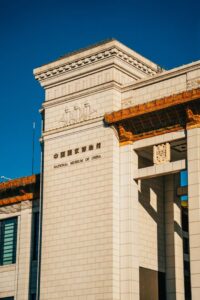
- The National Museum of China requires reservations several days in advance; when there, focus on the historical narratives and grab the official interactive activity guides to engage the kids.
The Natural History Museum is a genuine paradise for young paleontologists! Make sure to book ahead and prioritize the thrilling dinosaur fossils and expansive animal specimen halls.
For a stellar space adventure, the Planetarium is a must-see, but the immersive dome theater screenings often sell out, so secure those tickets well in advance.
Beyond the insightful indoor exploration, Beijing’s green spaces offer much-needed decompression time. The Beijing Wildlife Park is an excellent choice for a robust outdoor and nature experience, letting children observe a wide range of animals up close while fostering an appreciation for biodiversity. Meanwhile, centrally located Chaoyang Park provides urban families with sprawling lawns, ample picnic spots, and various playgrounds and interactive zones. The key to a truly successful and enriching trip is ensuring your itinerary expertly combines high-value, in-depth indoor learning with relaxing, engaging outdoor family activities.
3.2: Young People: Urban Exploration and Nighttime Economy Experiences
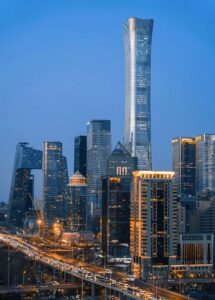
For fashion-forward and energetic young travelers, Beijing truly comes alive once the sun sets. Your urban exploration should kick off in the city’s two premier trendsetting hubs:
Sanlitun is the place to be, offering avant-garde bars, flagship international brand stores, and a unique street culture—it’s essential for capturing the latest metropolitan pulse.
The CBD (Central Business District), on the other hand, showcases Beijing’s dazzling international ambition and modern commercial peak. We highly recommend an evening stroll through the district before settling in at a rooftop bar or a skyscraper viewpoint to take in the sheer, electric grandeur of this megacity’s skyline.
From there, the focus shifts naturally to vibrant nightlife and consumption. Beijing boasts several distinct nighttime cultural hubs offering diverse entertainment: The famous Guijie Street is an absolute foodie paradise known for its iconic spicy crayfish (Mala Xiaolongxia) and countless specialty snacks, showcasing a bustling, authentic local vibe. Meanwhile, The Place is celebrated for featuring Asia’s largest electronic sky canopy, creating a fashionable leisure destination that perfectly blends high-end dining, retail, and a distinctly romantic ambiance. Combining deep urban exploration with these dynamic nightlife experiences is your ticket to fully unlocking Beijing’s dynamic modern energy.
3.3 Outdoor Hiking Enthusiasts: Guide to Choosing Multiple Sections of the Great Wall
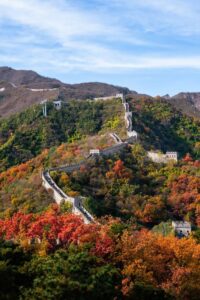
For true outdoor hiking enthusiasts, the Great Wall transcends its status as a historical site—it’s an epic route brimming with challenges and magnificent vistas. Choosing the right section is critical; it dictates whether your journey is a relaxed sightseeing trip or a hardcore physical challenge.
For visitors seeking the Classic and Convenient experience, the Mutianyu Great Wall is the undisputed top choice. This section is flawlessly preserved with excellent infrastructure, making it ideal for families and novice hikers. The key to the Mutianyu experience is the cable car and toboggan combination: effortlessly ride the cable car up to the ramparts and zoom back down with the thrilling toboggan slide—a fantastic way to conserve energy while adding a unique, fun twist to your visit.
However, if you crave Challenge and Pristine Terrain, you must venture to the wilder sections. Simatai Great Wall offers a significantly tougher hike, known for its treacherous slopes and limited restoration, and is one of the rare sections where you can still experience a stunning nighttime tour. Even more demanding is the famous Jiankou Great Wall, rightly dubbed the “King of the Wild Great Wall.” Jiankou retains the Wall’s most original, rugged, and dilapidated form. Hiking here is strictly recommended only for seasoned outdoor veterans and requires professional gear and guides to safely navigate its broken steps and steep inclines, rewarding you with unparalleled visual shock and a profound sense of historical decay.
4. Smart Tourism and Practical Planning for Transportation and Accommodation
4.1 Enhancing Travel Convenience: Smart Service Guide
Mastering Beijing’s digital landscape is paramount for an effortless travel experience. This is especially true for first-time visitors and foreign tourists; understanding these smart service hacks is guaranteed to eliminate friction and maximize your time.
Due to immense popularity and strict visitor quotas, securing tickets for Beijing’s top attractions (like the Forbidden City and the National Museum of China) is entirely reliant on real-name online reservations. You must secure your tickets several days, or even a week, in advance via official channels like the venue’s WeChat Mini-Program or designated websites.
Key Reservation Tips:
Use Valid ID: Always register using your official passport number. Familiarize yourself with the specific entry procedure for international documents.
Book Aggressively: Be prepared to log in precisely when tickets are released, especially for weekend and holiday slots.
No Walk-Ins: Assume the vast majority of major attractions no longer accept on-site ticket purchases.


The biggest pain point for most foreign visitors is China’s cashless dominance. Solving your payment and transportation needs early is crucial.
Mobile Payment is King: Traditional cash and card payments are nearly obsolete. Successfully link your international credit card (Visa/Mastercard) to WeChat Pay or Alipay immediately upon arrival. This unlocks easy payment for taxis, shopping, and dining across the city.
Transit Card Priority: For public transit, ditch the hassle of single-use tickets. Acquire a Municipal Transportation Card (or set up the mobile transit card function on your phone). This seamless card works on the subway and bus systems and is the definitive way to dramatically boost your travel efficiency in Beijing.
4.2 Accommodation Area Selection: Balancing Comfort and Transportation Convenience
When booking accommodations in Beijing, success hinges on finding the sweet spot between unbeatable comfort and prime commuter accessibility—a choice that ultimately depends on your travel style and objectives.
For travelers prioritizing efficiency, luxury, and seamless transit, booking in a major commercial district is your best bet.
The CBD (Central Business District) is home to numerous international hotel chains, offering the unparalleled advantage of transportation—it sits at the nexus of multiple subway lines, guaranteeing swift access to the airport and core urban attractions.
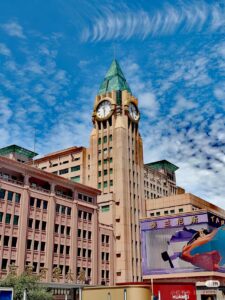
Wangfujing provides an excellent alternative, blending high-end retail with an immediate historical atmosphere, making it the ideal base for first-time visitors who want easy access to both shopping and culture.
If your goal is an immersive, unique cultural experience, consider boutique accommodations that offer character and charm.
Boutique Hutong Guesthouses are an excellent choice. These properties are often converted traditional Siheyuan (courtyard homes), preserving their authentic, rustic structure while embedding modern comforts. They allow you to savor the tranquil charm of old Beijing life right outside your door.
Alternatively, with the growth of the new tourism zone, Themed Hotels in the City Sub-Center (especially those near Universal Studios) have become highly popular. These are specifically tailored for families with children, providing a one-stop, immersive stay experience.
Final Tip: Regardless of your choice—be it a sleek CBD tower or a quiet Hutong retreat—proximity to a major subway station should always be your number one non-negotiable factor for maximizing your time in Beijing.
Summary: Transforming Your Beijing Trip from “Tourist” to “Beijing Lifestyle Expert”
We’ve now concluded our comprehensive guide, which has opened the door to a multi-dimensional Beijing experience. We have journeyed from the grandeur of the Forbidden City to the authentic, vibrant fabric of the Hutongs, explored hands-on ICH craftsmanship, and looked ahead at the cutting-edge tourism projects in the city’s new sub-center. All these concepts underscore one core philosophy: true travel means moving beyond the rigid checklist, diving deep into the local culture, embracing smart travel conveniences, and ultimately transforming your status from mere ‘tourist’ to ‘Beijing local insider.‘ Beijing’s allure lies in its eternal contrast—it holds both millennia of history and the most cutting-edge technology and trends. We encourage you to look past the surface of classic landmarks and seek out the creative, lively new destinations that showcase the city’s modern pulse.
Now, it’s time to translate these insights into your custom itinerary! Which Beijing experience excites you the most? Are you ready to challenge yourself on the Wild Great Wall, or would you rather seek out the newest creative café in Wudaoying Hutong? Leave a comment below and share your ambitious Beijing travel plans, or tell us which specific area (like an art zone, food street, or hiking trail) you’d like us to dive deeper into next. Let’s elevate your trip together!
🎉 Loved This Article? Don't Miss the Next One!
Subscribe to our newsletter and get exclusive content and the latest updates delivered straight to your inbox.